



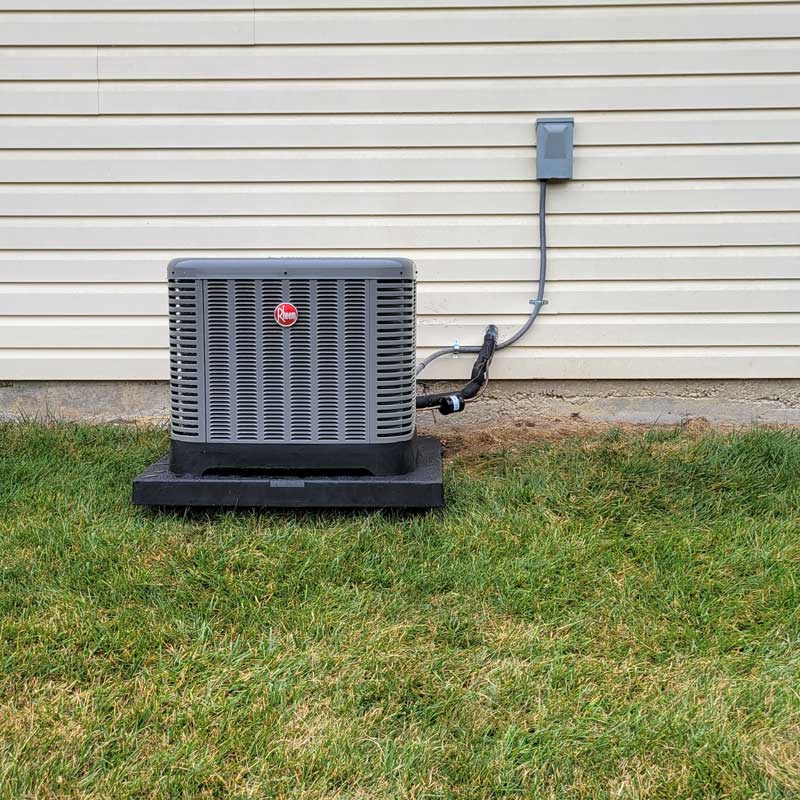
You might think your AC is running smoothly, but have you checked all the boxes for peak performance? From air filters to condenser coils, there are essential steps to guarantee your system is at its best. The key lies in a meticulous checklist that can make all the difference in how your AC operates. So, before you flip that switch, ensure you’ve covered every detail to keep your system running efficiently and effectively.
Filter Inspection
Check the air filters in your AC unit regularly to guarantee peak performance. Maintaining clean filters is essential for both air quality and energy efficiency. Clogged filters restrict airflow, forcing the system to work harder and consume more energy to cool your space effectively. Furthermore, dirty filters can lead to poor air quality as they fail to trap dust, pollen, and other particles, circulating them back into your home.
To guarantee top-notch air quality and energy efficiency, it is recommended to inspect your filters monthly and replace them every 90 days or sooner if they appear dirty. Filters come in various types, such as fiberglass, pleated, or HEPA, each offering different levels of filtration. Choose the filter that best suits your needs and budget while considering that higher-efficiency filters may increase energy savings in the long run.
Thermostat Calibration
To guarantee your AC system operates efficiently, paying attention to thermostat calibration is essential. Correct thermostat settings and temperature accuracy are key to maintaining a comfortable indoor environment. Understanding the significance of proper calibration will help optimize your AC unit’s performance and energy efficiency.
Thermostat Settings
Ensure that your thermostat is accurately calibrated to maintain precise temperature control and optimize the performance of your AC system. Proper thermostat programming is crucial for enhancing energy efficiency and ensuring your system operates at its best. By setting appropriate temperature schedules, you can avoid unnecessary cooling when you are not at home, thereby saving energy and reducing utility costs.
To guarantee peak performance, check and adjust the thermostat settings regularly. Make sure the time, date, and temperature settings are correct. If you have a programmable thermostat, use its features to set different temperatures for various times of the day. This allows you to customize your cooling preferences while maximizing energy efficiency.
Additionally, consider upgrading to a smart thermostat for greater control and energy savings. Smart thermostats can learn your behavior patterns and adjust settings automatically to optimize comfort and efficiency. By being mindful of your thermostat settings and programming, you can achieve a more comfortable indoor environment while keeping energy usage in check.
Temperature Accuracy
Guarantee the precise calibration of your thermostat for accurate temperature control and peak AC system performance. Proper thermostat calibration is crucial for maintaining the desired temperature in your home or office. When your thermostat is accurately calibrated, it guarantees that your air conditioner operates efficiently, providing peak temperature control while minimizing energy consumption.
Temperature control is directly linked to the calibration of your thermostat. If the thermostat is not calibrated correctly, it may result in inaccurate temperature readings, leading to discomfort and potential energy waste. An improperly calibrated thermostat can cause your AC system to run longer than necessary, increasing energy consumption and utility costs.
To maintain accurate temperature control and reduce energy consumption, it is vital to have your thermostat calibrated regularly by a professional HVAC technician. By ensuring that your thermostat is accurately calibrated, you can enjoy a comfortable indoor environment while maximizing the efficiency of your AC system. Prioritizing thermostat calibration is a simple yet effective way to improve your overall cooling experience and minimize energy usage.
Calibration Importance
Ensuring the precise calibration of your thermostat is vital for maintaining peak performance and efficiency of your AC system. Calibration techniques involve adjusting your thermostat to reflect the temperature settings in your home accurately. A properly calibrated thermostat improves energy efficiency by preventing overworking of the system and promotes system longevity by reducing wear and tear on components.
Calibration tools such as digital thermometers or smart thermostats can aid in achieving accurate temperature readings. Regular calibration checks, especially before the start of each season, are recommended to guarantee excellent performance. By fine-tuning your thermostat settings, you can prevent energy wastage and unnecessary strain on your AC unit.
Proper calibration also helps maintain consistent comfort levels within your living spaces. If you notice temperature discrepancies or frequent cycling of your AC system, it may be time to recalibrate your thermostat. By prioritizing thermostat calibration, you can optimize energy efficiency, increase system longevity, and enjoy a comfortable indoor environment throughout the year.
Condenser Coil Cleaning
Regular AC system maintenance should include inspecting and cleaning the condenser coils to guarantee peak performance. Coil maintenance is essential as dirt and debris can accumulate on the coils over time, reducing the system’s efficiency. Regularly cleaning the condenser coils ensures that the airflow remains unobstructed, allowing the refrigerant to absorb and release heat effectively.
The efficiency benefits of maintaining clean condenser coils include lower energy consumption and reduced strain on the compressor. When the coils are dirty, the system has to work harder to achieve the desired cooling effect, leading to increased energy usage and potential premature wear on components. By keeping the coils clean, you not only enhance the overall efficiency of your AC system but also extend its lifespan.
To clean the condenser coils, start by turning off the power to the unit. Then, using a soft brush or vacuum, gently remove any debris. Consider using a commercial coil cleaner and following the manufacturer’s instructions for a more thorough cleaning. Regular maintenance of your condenser coils will contribute to excellent AC performance and energy savings.
Refrigerant Level Check
Inspecting the refrigerant levels in your AC system is vital to guarantee peak performance and efficiency. Low refrigerant levels can lead to poor cooling and potential damage to the compressor. You can perform a simple DIY method using a pressure gauge to check the refrigerant levels. Attach the gauge to the service valve on the refrigerant line and compare the pressure reading to the manufacturer’s recommendations. If you suspect a refrigerant leak, contacting a professional for repairs is important. Common signs of a leak include reduced cooling efficiency and hissing sounds near the AC unit.
Regular maintenance tips to prevent refrigerant leaks include scheduling annual professional inspections, ensuring proper insulation on refrigerant lines, and keeping the outdoor unit clean and debris-free. Safety precautions when handling refrigerant include wearing gloves and safety goggles, as direct contact with refrigerant can cause skin irritation and frostbite. Regularly checking and maintaining proper refrigerant levels ensures your AC system operates efficiently and effectively.
Ductwork Examination
Check the ductwork for any signs of damage or obstruction that may impact the airflow and efficiency of your AC system. Begin with an airflow analysis to confirm that air circulates properly throughout the system. Inspect the insulation surrounding the ducts to prevent any energy loss because of poor insulation. Moving on, leak detection is conducted to identify areas where air may escape, leading to decreased energy efficiency.
During the ductwork examination, pay close attention to any visible damage, such as holes, tears, or disconnected sections that could hinder the airflow. These issues can not only reduce the effectiveness of your AC system but also result in increased energy consumption. By addressing these concerns promptly, you can optimize the performance of your AC unit and improve its overall efficiency. Regular maintenance of the ductwork is vital for ensuring that your system operates at its best, providing you with a comfortable indoor environment while keeping energy costs in check.
Electrical Connection Inspection
Examine your AC’s electrical connections meticulously to guarantee peak performance. Check the tightness of the wiring to avoid overheating and potential electrical hazards. Evaluate the voltage levels to confirm your system is operating efficiently and safely.
Wiring Tightness Check
Confirm all wiring connections are securely fastened to guarantee peak performance and safety of your AC unit. Proper wiring tightness is vital for maintaining voltage stability and ensuring electrical safety within your system. Begin by switching off the power to your AC unit to prevent accidents during inspection.
Carefully examine each connection point, including terminals, wire nuts, and splices, ensuring they are securely fastened. Look out for any signs of wear, corrosion, or overheating, as these can indicate potential issues that need immediate attention. Tighten any loose connections using the appropriate tools, following manufacturer guidelines on torque specifications.
Once all connections are secure, switch the power back on and observe the system for any irregularities, such as flickering lights or unusual sounds. If you notice any abnormalities, turn off the power immediately and seek professional assistance to avoid any risks to the system or yourself. Regularly checking and maintaining wiring tightness is crucial for your AC unit’s peak performance and longevity.
Voltage Level Evaluation
Are the voltage levels in your AC unit within the ideal range for peak performance? Proper voltage stability is critical for efficiently operating your air conditioning system. To guarantee peak performance and energy consumption optimization, it is vital to conduct a thorough voltage level evaluation. Here are key steps to take into account:
- Voltage Stability Analysis: Perform a detailed assessment of the voltage levels to identify any fluctuations that could impact the AC unit’s performance.
- Energy Consumption Optimization: Verify that the voltage levels are within the recommended range to prevent excessive energy consumption and reduce utility costs.
- Power Supply Assessment: Check the power supply to the AC unit to confirm that it meets the manufacturer’s specifications for voltage input.
- Electrical Safety Precautions: Prioritize safety by inspecting all electrical connections for wear, damage, or loose fittings that could pose a risk of electrical hazards.
Fan Blade Alignment
Proper alignment of the fan blades is crucial for guaranteeing the efficient operation of your AC system. Blade maintenance plays a pivotal role in airflow optimization within your unit. Misaligned fan blades can lead to decreased performance, increased energy consumption, and potential system overheating. To check the alignment, inspect the blades for any visible signs of damage or warping. Next, ensure the blades are clean and free from debris that could throw them off balance.
Carefully measure the distance between each fan blade and the housing using a ruler or straight edge to ensure uniformity. Any inconsistencies should be corrected promptly to prevent unnecessary strain on the motor and ensure proper airflow distribution. In case of misalignment, gently adjust the blades back into the correct position, maintaining equal spacing between each blade. Regularly checking and maintaining fan blade alignment will contribute to the overall efficiency and longevity of your AC system.
Drainage System Evaluation
Conduct a thorough drainage system assessment to uphold peak performance in your AC unit. Proper drainage system maintenance is essential for preventing water damage and enhancing system efficiency. Here are key steps to guarantee your drainage system is operating at its best:
- Inspect Drain Lines: Regularly check the drain lines for any clogs or blockages that could impede proper water flow and lead to water damage.
- Clean Drain Pan: Clean the drain pan to prevent the buildup of algae, mold, or debris obstructing water drainage.
- Check Condensate Pump: Verify the condensate pump is working efficiently to pump out excess water and prevent overflow.
- Install Drainage Algae Tablets: Consider using drainage algae tablets to inhibit algae growth in the drain lines and maintain smooth water flow.
Lubrication of Moving Parts
Inspecting and maintaining the lubrication of moving parts in your AC unit is important for ensuring peak performance and longevity of the system. Proper lubrication offers various benefits, such as reducing friction between components, improving efficiency, and extending the moving parts’ lifespan. Regular lubrication system maintenance is necessary to prevent wear and tear, ensuring that your AC unit operates smoothly.
To maintain moving parts efficiently, it is recommended to follow manufacturer guidelines on lubrication intervals and the type of lubricant to use. Overlooking lubrication maintenance can lead to increased energy consumption, decreased cooling capacity, and potential system breakdowns. Therefore, periodically checking and replenishing lubrication levels is crucial for the overall health of your AC unit.
Overall System Performance Test
A thorough overall system performance test is essential to guarantee your AC system is operating at its best. This evaluation will gauge your system’s efficiency and assess all components’ functionality. By conducting this test, you can address any issues promptly and maintain peak performance of your AC unit.
System Efficiency Evaluation
Evaluate the effectiveness of your system through a thorough performance assessment test. To guarantee peak system efficiency and performance, consider the following key aspects:
- Energy Consumption Analysis: Monitor the energy consumption of your AC system to identify any spikes or inefficiencies that may indicate underlying issues affecting its performance.
- Airflow Assessment: Check the airflow throughout your home to ensure that each room receives adequate cooling, indicating that the system is functioning properly and efficiently.
- Thermostat Calibration: Verify that your thermostat is accurately calibrated to maintain the desired temperature, preventing system overworking and unnecessary energy usage.
- Filter Inspection: Regularly inspect and replace air filters according to the manufacturer’s maintenance schedule to prevent airflow restrictions, improve air quality, and ensure the system operates efficiently.
Component Functionality Assessment
Conduct a thorough evaluation of each component in your AC system to guarantee peak functionality and overall performance. Begin by evaluating the fan motor, an essential element responsible for circulating air throughout the system. Ensure the fan motor is clean, properly lubricated, and free from any obstructions that may impede its operation. Next, focus on the compressor functionality, which is critical in air cooling. Check for any signs of leaks, unusual noises, or fluctuations in performance that could indicate compressor issues. Inspect the compressor for proper refrigerant levels and secure all electrical connections.
To assess the overall system performance accurately, monitor the fan motor and compressor simultaneously. Observe how they interact during the cooling cycle, ensuring they work harmoniously to maintain peak temperatures. By evaluating these components meticulously, you can identify and address any potential issues proactively, enhancing the efficiency and longevity of your AC system.
Conclusion
In summary, by diligently following the thorough AC service checklist, you can guarantee peak performance and longevity of your system. Regular maintenance tasks such as filter inspection and condenser coil cleaning are essential for preventing breakdowns and improving energy efficiency. By addressing issues proactively, you can enjoy a comfortable indoor environment with clean air while extending the lifespan of your AC system. Remember, a well-maintained AC system is key to a cool and efficient home.