



Keeping Your Columbia Home Cozy and Safe
Furnace problems are never convenient, especially in Mid-Missouri where we can see warm afternoons followed by sudden drops in temperature. Understanding your furnace repair options before something goes wrong helps you protect your comfort, your budget, and your peace of mind. When you know what to watch for and what kind of help to ask for, you are far less likely to be surprised by a breakdown on a cold night.
In this article, we will walk through common furnace issues in Columbia, what counts as a repair versus a tune-up, how to think through repair or replacement, and what actually happens during a service visit. At Comfort Doc Heating & Air, we work with Columbia and Mid-Missouri homeowners every day, so we see the patterns and know the typical furnace problems that show up in our area. Our goal is to give you clear, straightforward information so you can make confident decisions about your home’s heat.
Common Furnace Problems Columbia Homeowners Face
Columbia homes experience a wide mix of weather, which puts plenty of stress on heating systems. As temperatures swing, furnaces cycle on and off more often, and that extra workload tends to expose weak spots.
Some of the most common furnace problems we see include:
- Dirty or clogged air filters that restrict airflow
- Ignition or pilot issues when heat is first needed after a mild period
- Worn blower components like belts, bearings, or motors
- Thermostat problems that confuse the system about when to run
- Dirty burners that do not light properly
You might notice symptoms before you realize there is a furnace problem. Typical warning signs include:
- Cold spots or rooms that never seem to warm up
- Short cycling, when the furnace turns on and off frequently
- New or louder noises, like squealing, banging, or rattling
- A burning or musty smell when the furnace starts
- Higher energy bills even though you have not changed the thermostat
It can be tempting to ignore these signs if the furnace still produces some heat. However, small issues often grow into larger ones. A partially clogged filter can eventually cause the system to overheat and fail. A noisy blower can become a blower that stops working entirely. Addressing problems early usually means less expensive repairs and a lower chance of a breakdown during a cold snap, when you most need reliable heat and safety.
Knowing When You Need Repair Versus a Tune-Up
People often wonder whether they need a full repair visit or just a routine tune-up. The difference comes down to what is happening with your furnace.
A tune-up is preventative. It typically focuses on:
- Cleaning key components like burners and flame sensors
- Checking electrical connections and gas connections where applicable
- Testing safety controls and system performance
- Inspecting filters and basic airflow
In short, a tune-up is about checking, cleaning, and adjusting a working system so it runs smoothly and efficiently.
A repair visit is usually needed when something is not working correctly. You will likely need repair if you notice:
- No heat at all, or only cool air from the vents
- Frequent cycling or a furnace that runs constantly without reaching the set temperature
- Uneven heating from room to room that did not exist before
- Loud or unusual sounds that are new to you
- Error codes or indicator lights on the furnace
Regular maintenance helps catch these problems before they reach the repair stage. When we inspect and test your system each year, we can often spot worn parts, weak igniters, or airflow issues and address them before they cause a full outage. This kind of consistent care tends to extend the life of the furnace and keep comfort more predictable.
Deciding Whether to Repair, Replace, or Wait
No one wants to replace a furnace before it is necessary. At the same time, there is a point where putting money into an older system stops making sense. When we talk with homeowners about furnace repair versus replacement, we usually focus on a few key factors:
- Age of the furnace
- Frequency and cost of recent repairs
- Current energy efficiency and comfort level
- How long you plan to stay in the home
A common rule of thumb is that if a repair is very expensive and the furnace is already in its later years, it may be smarter to put that money toward a new system. Newer equipment is designed to run more efficiently than older models, which can help reduce utility costs over time. That said, many issues are worth repairing, especially on younger systems with a good track record.
Timing also matters. Some problems can wait a short time, especially if the furnace is still heating and the issue seems minor. Others need faster attention:
- Strong or unusual smells, especially a burning or electrical odor
- Soot buildup around vents or at the furnace
- Frequent burner flame outages or visible yellow flames instead of steady blue on gas units
- Repeated tripping of safety switches or breakers
Concerns like these can point to safety-related issues, so they should never be ignored.
What to Expect During a Furnace Repair Visit
Understanding what happens during a repair visit can remove a lot of stress. When we arrive at a Columbia home for furnace repair, we start with a few basic steps.
First, we ask questions about what you have noticed, such as changes in noise, when the problem started, and how the furnace has been performing. Then we move into:
- A visual inspection of the furnace and surrounding area
- Checking filters, vents, and returns for blockages
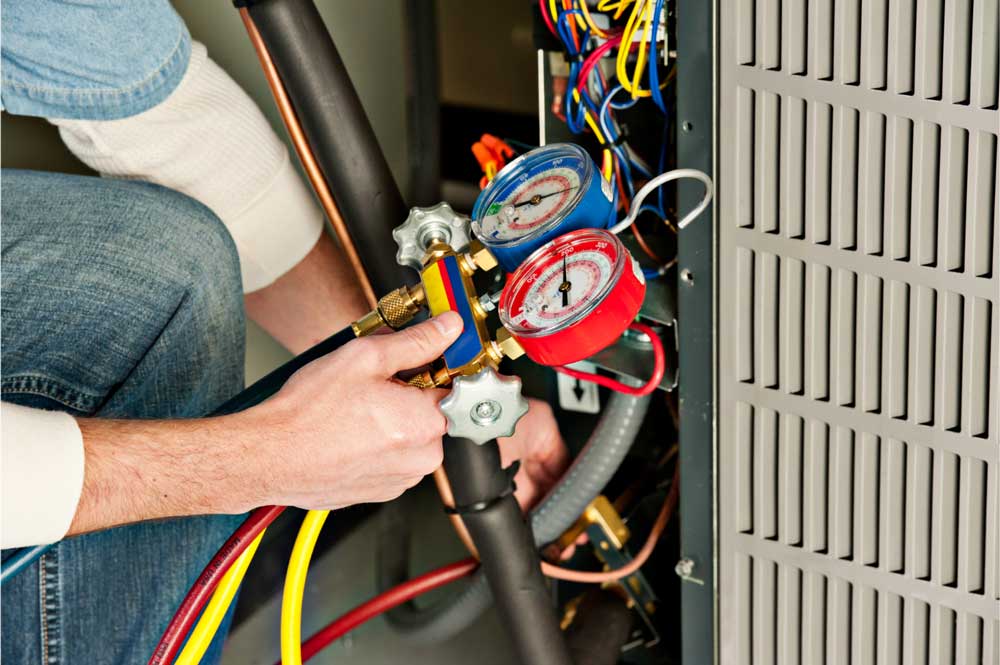
- Diagnostic testing to check ignition, airflow, safety switches, and system controls
Once we identify the issue, we explain what we found in everyday language. A good technician should make it clear:
- What needs to be fixed right away
- What might be optional or could wait until a later visit
- How long the repair will likely take
- What the repair will cost before any work begins
Choosing a licensed and insured local company means you are working with people who understand Columbia building styles, older and newer neighborhoods, and the common comfort challenges in Mid-Missouri homes. That local knowledge often helps us trace problems faster, because we recognize patterns in how different types of systems behave in this climate.
Preventing Future Furnace Problems in Columbia Homes
While some furnace issues are unavoidable, many can be reduced with a few simple habits. There are several things homeowners can do on their own:
- Change filters on a regular schedule suggested by the manufacturer
- Keep supply vents and return grilles open and free of furniture, curtains, or dust buildup
- Keep the area around the furnace clean and clear of storage items
- Pay attention to new sounds or smells and do not ignore them
Having professional annual maintenance before the cold season sets in gives your system a fresh start. During these visits, we can clean components, check for developing issues, and make sure your furnace is ready to handle extended run times. This kind of care tends to support:
- Better indoor air quality, since clean filters and components trap dust more effectively
- More even temperatures throughout your home
- More predictable performance as temperatures swing in Mid-Missouri
When you combine simple at-home habits with professional maintenance, you set your furnace up for a longer, more reliable life. You also gain confidence that when temperatures drop, your home will stay comfortable and safe without surprise breakdowns.
Restore Reliable Heat To Your Home Today
If your furnace is making strange noises, struggling to keep up, or has stopped working altogether, we are ready to help get your comfort back on track. Schedule fast, professional furnace repair with Comfort Doc Heating and Air so small issues do not turn into expensive emergencies. Our technicians will diagnose the problem, explain your options, and complete the work with care and precision. Have questions or need urgent service now? Just contact us and we will respond promptly.
Written by Matthew Elliott